
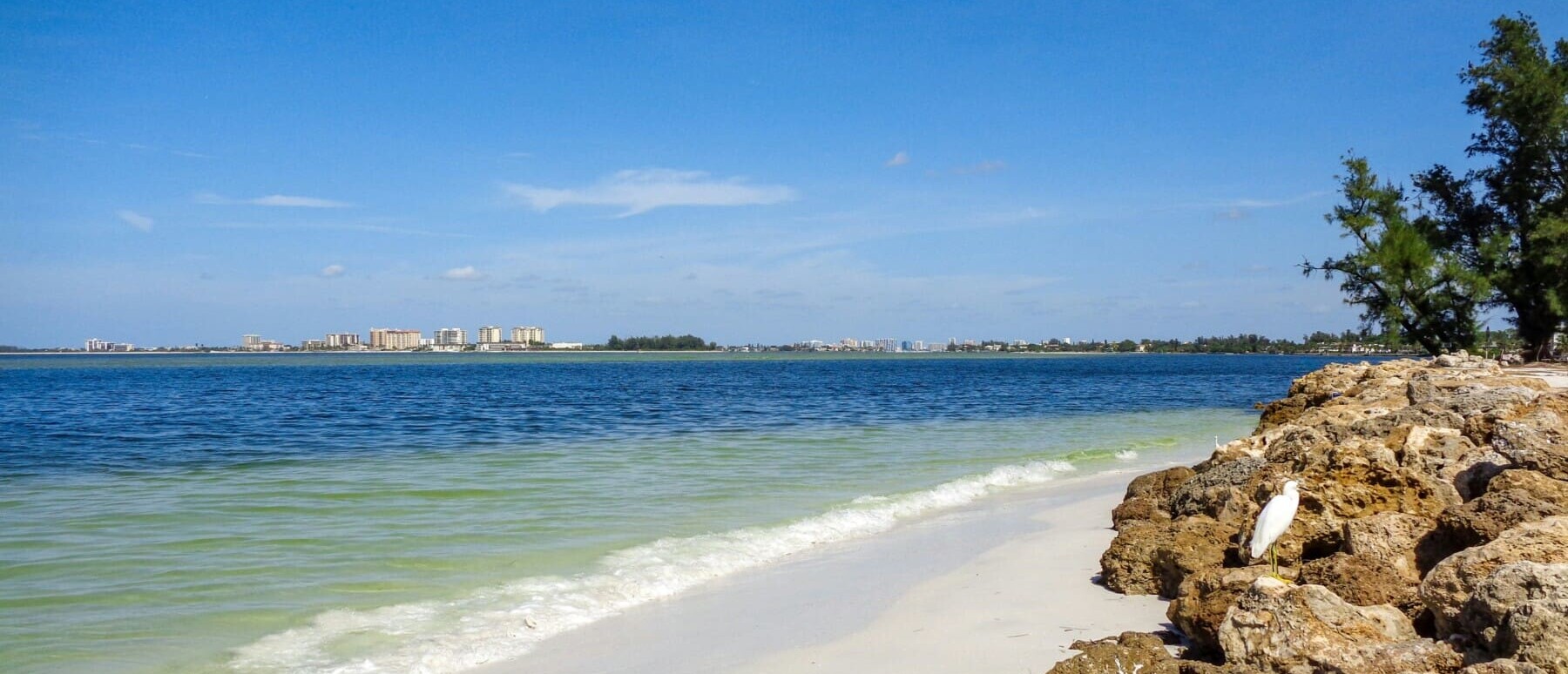
A month-by-month, local-insider guide to planning a Siesta Key, Florida trip — with real-world notes on weather feel, water comfort, crowd vibe, sunsets, and the little details that make your stay smoother.
How to use this guide: Start with the quick answers and jump to the months you’re considering. Each month includes a scannable “Quick Look,” then a deeper local breakdown so you can choose timing that matches your vibe. First time visiting Siesta Key? Our First-Timer’s Guide has the complete planning framework — where to stay, what to pack, and how to build your days.
Best Months to Visit Siesta Key (Quick Guide)
A fast, high-level cheat sheet before you jump into the month-by-month breakdown.
Best overall weather + beach days
Late winter through spring (especially when you want warm days without summer heat).
Best “easy pace” months locals love
April and November often deliver beautiful weather with a lighter rhythm.
If you hate circling lots, use this plan (arrive-by timing + what to do if the main lot is full).
Best odds for calm, clear-water days
Want that “glassy, sandy-bottom” look? Here’s how to stack the odds with timing + conditions.
Full monthly temperature table with swim comfort ratings — know exactly what to expect.
What’s happening during your visit
Markets, festivals, art walks, and family-friendly picks grouped by season.
Best for longer stays + booking timing
Winter months are popular for extended trips — see how far ahead to book by season.
Want the beach-by-beach breakdown? Read our shelling guide for the best times and best spots.
If you want… target these months
- Comfortable “outside all day” weather: December–April
- Warmest Gulf water (swimming-first): June–September (warmest July–August) — see exact temps by month
- Quiet beach vibe with warm water: September–October
- Clearest-looking Gulf days (best odds): December–April (especially calm mornings)
- Swim comfort + lower crowds: May and October
- Lively, high-energy atmosphere: March and July — see what’s happening by season
- Best odds for consistent shelling: December–March (often strong in November + April)
- Most book-ahead months for prime condos: January–March (and late December) — see our booking timeline guide
Siesta Key by Season: What Changes (and What Doesn’t)
Siesta Key is a year-round beach destination, but the feel shifts month to month. Here’s the big picture—then we’ll go deep on each month.
Winter (Dec–Feb)
Comfortable “outside all day” weather. Evenings can cool down after fronts. Gulf water is cooler. High demand for longer stays.
Spring (Mar–Apr)
The postcard stretch: beautiful weather, lively energy, and peak vacation momentum. Early April can stay busy; later April often eases.
Early Summer (May–Jun)
Warm water season begins. May is relaxed and swim-friendly. June brings longer beach days and more common afternoon showers.
Peak Summer (Jul–Aug)
Warmest water months. Expect heat + humidity and more frequent storms. Best pattern: beach mornings + flexible afternoons + sunsets.
Fall (Sep–Nov)
Warm water can linger into October. September is flexibility season (it’s still hurricane season). November is a locals’ favorite for comfort.
Frequently Asked Questions About the Best Time to Visit Siesta Key
Is Siesta Key warm enough to swim in winter?
Swimming comfort depends on your cold tolerance. In January–February, the Gulf is usually chilly for most visitors, so beach days tend to be more about walks, sunshine, and quick dips on the warmest afternoons. If swimming matters in winter, a heated pool is a big upgrade.
What month has the best weather in Siesta Key?
For many visitors, March and April deliver the best blend of warm days, lower humidity, and fewer summer-style storm patterns. December through February are also excellent for mild, comfortable outdoor weather, with cooler mornings and evenings after passing fronts.
When is Siesta Key the least crowded?
September is often one of the quietest-feeling months, with fewer visitors and more space on the beach. Parts of October and early December can also feel calmer than peak seasons, depending on travel weeks.
When are crowds the highest in Siesta Key?
January through March are consistently high-demand months, and March can feel especially busy due to spring travel patterns. Holiday periods can also increase activity even outside peak season.
When is the Gulf water warmest in Siesta Key?
The Gulf is typically warmest in July and August. June through September is the most reliably swim-friendly stretch, with warm water that supports longer swims and floating.
What’s the rainiest time of year in Siesta Key?
Summer brings the highest chance of pop-up thunderstorms, especially June through September. Many storms are brief and timing-based, with mornings often starting clearer and storm chances building later in the day.
When is hurricane season in Siesta Key?
Hurricane season runs from June 1 through November 30. Most trips are unaffected, but late summer and early fall can have higher weather variability, so it’s smart to keep an eye on forecasts during that window.
What’s the best month for shelling on Siesta Key?
Shelling is often most consistent during the winter season, especially December through March. Conditions still vary with tides and surf, but many visitors find winter and early spring the most rewarding time to beachcomb.
How far in advance should you book a Siesta Key rental?
For peak months (January–March and late December), the best locations and most walkable condos can book far ahead, with repeat guests often reserving early. For shoulder and summer months, booking can be more flexible, but prime beachfront units still go first.
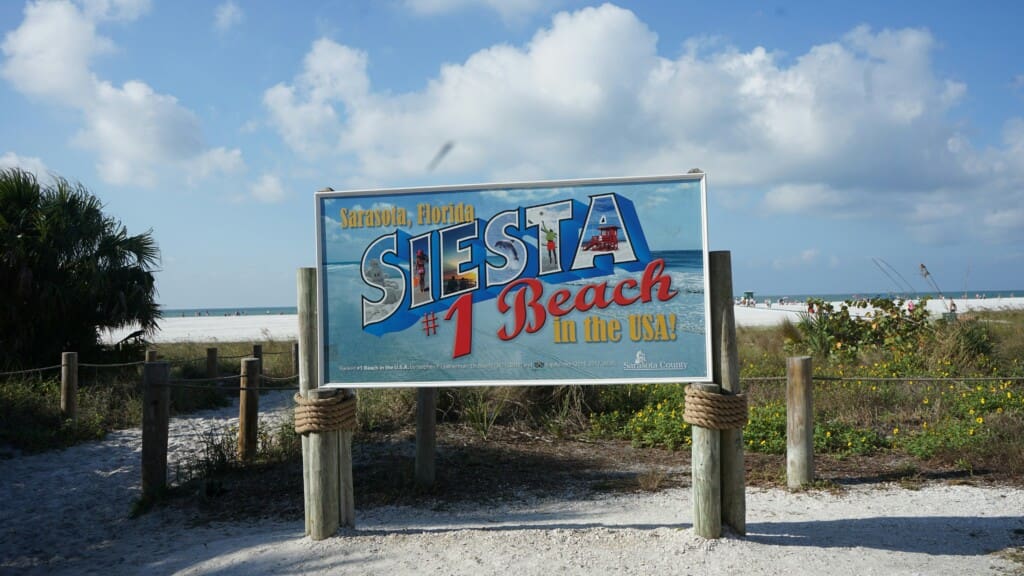
January Quick Look
PRIME SEASONAir Temps
- Highs: 64–74°F (cooler after cold fronts)
- Lows: 50s–low 60s (mornings/evenings can feel crisp)
Water Temps
- Avg Gulf: ~65°F (cold for most swimmers)
- Best for quick dips on the warmest afternoons
Wind & Clarity
- Calm mornings often bring the clearest water
- Windy spells add chop and can reduce clarity
Rain Pattern
- Generally low rainfall (front-driven)
- A passing front can bring a short wet day
Crowds & Vibe
- Active winter-season energy (snowbird feel)
- Steady, relaxed pace with busier weekends
Booking Window
- Prime condos fill early (long stays first)
- Repeat winter guests often rebook 10–12 months out
Sunrise & Sunset Times
- Sunrise ~7:15–7:20 AM; sunset ~5:47–6:10 PM
- Earlier sunsets shape a cozy evening rhythm
Hurricane Season
- No — outside hurricane season
- Main swings are cold fronts, not tropical systems
January on Siesta Key feels like the island’s “golden season” for people who want sunshine without the heavy Florida heat. Most days settle into a comfortable rhythm: cool, crisp mornings, pleasantly mild afternoons, and evenings that can turn breezy fast once the sun drops. Humidity is typically lower than summer, so the air feels cleaner and lighter, and the beach often has that fresh, wide-open winter feel.
Weather in January is usually calm and predictable, but it has one signature move: cold fronts. A front can roll through and flip the feel of the day, dropping temperatures noticeably, shifting the wind, and making the next morning feel extra crisp. Those are the days when a light layer stops being optional and starts being the difference between “perfect beach walk” and “why is it chilly out here?” The upside is that fronts often create that clean-sky, high-visibility kind of day that makes the waterline and the horizon look especially sharp.
The Gulf is the main reality check this month. With average water temperatures hovering around the mid-60s, it’s cold for most swimmers. January is more “walk the shoreline, wade a little, maybe take a quick dip on a warm afternoon” than “float for hours.” That doesn’t make it less of a beach month — it just shifts what the best moments look like: long walks on packed sand, reading in the sun, kids building sandcastles without overheating, and the kind of comfortable beach lounging that’s harder to pull off in peak summer heat.
Water clarity tends to shine in winter, especially when the morning is calm. On those still, glassier stretches, the Gulf can look noticeably clearer and brighter — the kind of day that makes photos look effortless. When the wind picks up after a front, the surface gets choppier and clarity can turn more variable. January’s best-looking water is often tied to calmer windows rather than an all-day guarantee, so the “feel” of the water can change from morning to afternoon depending on the breeze.
January is also a strong month for shelling compared to many other times of year, especially when the Gulf has had a little movement. More texture in the water can mean more material gets turned over and delivered along the tide line, and the beach-combing experience often feels more rewarding than during calmer, hotter stretches. The vibe is less “race to the water” and more “slow down and scan,” which fits the month perfectly.
Crowds and logistics matter in January, because this is high-demand season on Siesta Key. The island has a steady winter population: longer-stay guests, repeat visitors, and snowbird energy that keeps restaurants, beaches, and the Village consistently active. It doesn’t always feel chaotic, but it does feel “in demand,” especially on weekends and during popular travel weeks. For parking and beach access in peak season (January through March, and also around major beach holidays), the Siesta Key Public Beach lot can fill by about 9:30 AM, earlier on weekends, and as early as 8:30 AM on holiday weekends. That reality belongs in the “how the day feels” bucket — not because it ruins the trip, but because it changes the rhythm of arriving and settling in.
For the full picture on getting around — walkability, trolley tips, and whether you need a car — see our Getting Around Siesta Key guide. LINK: https://siestastays.com/getting-around-siesta-key/
Daylight shapes January in a way visitors notice quickly. Sunsets come earlier, so the day feels front-loaded: mornings are great for beach walks, afternoons are the warmest and most comfortable window, and evenings turn into a different kind of vacation — more dinners, patios, and relaxed strolls than late-night beach time. That earlier sunset rhythm is part of what makes January feel cozy and calm rather than endless and buzzing.
Booking behavior also reflects the season. January is one of the months where prime condos and prime locations disappear early, especially for longer stays. This is the part of the year when repeat winter travelers often rebook far in advance (commonly 10–12 months for top weeks), and the “best of the best” inventory is usually the first to go. The payoff for planning well is that January delivers a very specific Siesta Key experience: bright skies, comfortable outdoor living, a steady but not frantic island pulse, and winter beach days that feel polished and easy.
February Quick Look
PEAK SEASONAir Temps
- Highs: upper 60s–mid 70s (fronts can cool it down)
- Lows: 50s–low 60s (evenings can feel crisp)
Water Temps
- Avg Gulf: ~64°F (very cold for most swimmers)
- Swimming is usually quick dips only
Wind & Clarity
- Clear-water days show up on calm stretches
- Breezier spells can roughen the surface and reduce clarity
Rain Pattern
- Generally low rainfall (front-driven)
- Short rain bursts are more common than all-day washouts
Crowds & Vibe
- Peak winter-season rhythm (longer stays)
- Lively feel without spring-break intensity
Booking Window
- Prime winter weeks fill far ahead
- Repeat guests often reserve 10–12 months out
Sunrise & Sunset Times
- Sunrise ~7:10–7:20 AM; sunset ~6:12–6:29 PM
- Later sunsets support longer beach evenings
Hurricane Season
- No — outside hurricane season
- Weather shifts are mostly front-driven
February on Siesta Key is peak winter-season in the best way: bright, mild afternoons, lower humidity, and a steady beach-town pulse that feels “alive” without the heavy summer heat. Days often start cool and quiet, warm into a genuinely pleasant mid-day, then slide back into crisp evenings once the sun drops. It’s the kind of month where a beach day can still feel luxurious even if you never set foot fully in the water.
Like January, February’s personality is shaped by passing cold fronts. Most of the time, weather is stable and comfortable, but a front can push through and change the feel quickly — cooler air, a wind shift, and a noticeable drop in evening and morning temps. Those swings are part of what makes February feel fresh and “clean,” and they tend to keep the air clear and comfortable for long walks, outdoor dining, and daytime exploring. If someone’s ideal trip is “sunshine + outdoor living” rather than “tropical heat,” February is one of the strongest bets of the year.
The Gulf is the main trade-off. Average water temperatures are typically in the mid-60s, and that’s legitimately cold for most people. February beach days are more about the shoreline experience than extended swimming: walking the tide line, sitting in the sun, letting kids play in the sand without overheating, and wading only when the sun is high and the air is warm enough to make it feel worth it. On the warmest afternoons, a quick dip can be doable, but most visitors describe February water as “bracing” rather than “inviting.”
Water clarity can be a big positive in February, especially during calmer stretches. When mornings are still and the Gulf surface stays smooth, the water can look noticeably clearer and brighter — the kind of conditions that make Siesta Key’s shoreline feel extra scenic. If a front has just moved through, winds can add chop and make clarity more variable, so the “best-looking water” tends to show up in those calmer windows rather than staying perfect all day. The overall feel is clean, crisp, and beautiful — even if it’s not a “floating for hours” month.
February’s beach rhythm is also why it’s such a strong month for long walks, sunset routines, and that classic “vacation stroll” feeling in the Village. Sunsets are later than January, giving afternoons a little extra runway, but evenings still cool down quickly compared to spring and summer. You’ll feel the difference: daytime sun can be surprisingly warm, while the moment the sun fades, the breeze can make it feel sharply cooler. That contrast is part of what makes February so comfortable for active, outdoorsy days — and why most people love having a light layer ready for nights.
Shelling and shoreline wandering tend to be rewarding this time of year, especially if the Gulf has had some movement. Winter conditions can turn over the shoreline more than the hottest, calmest periods, and beachcombing often feels like a real “activity” rather than a quick glance while you’re heading to swim. The pace is slower and more intentional — a good match for February’s overall vibe.
Crowds and demand are a real factor in February. This is still peak season on Siesta Key, driven by longer stays and repeat winter visitors. The island feels consistently active, especially on weekends and during popular travel weeks, even if the beach itself can still feel relaxed once you’re settled. And because February sits in the heart of high season, logistics like parking and beach access matter more than they do in quieter months. For the peak-season window (January through March, and also around major beach holidays), the Siesta Key Public Beach lot can fill by about 9:30 AM, earlier on weekends, and as early as 8:30 AM on holiday weekends — and smaller beach access lots have very limited spaces and fill early too. That doesn’t have to define the trip, but it absolutely changes the “feel” of arrival days and midday beach plans.
Booking behavior matches the season. February is one of those months where the best-located properties and longer-stay availability get snapped up well ahead of time, and repeat winter guests often reserve far in advance (commonly 10–12 months for prime weeks). If someone wants to experience Siesta Key at its most comfortable — sunny days, cooler nights, a steady but not chaotic island pace, and a polished winter-season vibe — February is an excellent choice, as long as they’re realistic about the Gulf being cold and plan their “water time” expectations accordingly.
March Quick Look
PEAK SEASONAir Temps
- Highs: mid 70s–low 80s (warming fast)
- Lows: upper 50s–mid 60s (cooler nights early month)
Water Temps
- Avg Gulf: ~68°F (brisk but improving)
- Best for wading and shorter swims on warm days
Wind & Clarity
- Calm mornings can look very clear and bright
- Windy days can bring more chop and variable clarity
Rain Pattern
- Still relatively dry overall
- Occasional fronts; storms are not yet daily
Crowds & Vibe
- High-energy peak season (spring-break feel)
- Beach and Village feel busiest most days
Booking Window
- Prime weeks book far ahead (spring demand)
- Best locations disappear first
Sunrise & Sunset Times
- Sunrise ~7:15–7:30 AM; sunset ~6:30–7:47 PM
- Later sunsets support longer beach evenings
Hurricane Season
- No — outside hurricane season
- Main variability is wind/fronts, not tropical systems
March on Siesta Key is when the island starts to feel like it’s shifting into full spring vacation mode. The days warm up fast, the sun feels stronger, and the beach vibe becomes noticeably more energetic. Mornings are often comfortable and easy, afternoons can feel genuinely warm, and evenings usually stay pleasant enough for long walks and outdoor dining without needing much more than a light layer. For many first-time visitors, March “looks” like the Florida beach trip they pictured: bright skies, busy shorelines, and that lively vacation atmosphere where something always feels like it’s happening.
Traveling during spring break season? Read this first: Siesta Key Spring Break Crowds (patterns + local tips) →
Weather-wise, March still carries a little of winter’s variability early on, especially with the occasional front that can bring cooler air and extra wind. But overall, the direction of travel is clear: warmer afternoons, more consistent beach days, and a stronger sun that makes the whole day feel more vacation-forward. The air is typically less humid than summer, which is why March can feel so comfortable even when it’s warm. It’s one of the most “outdoors all day” months of the year — not because it’s quiet, but because it’s pleasant enough to keep you moving from morning beach time to late afternoon walks and dinner plans.
The Gulf is in that in-between zone: improving, but still brisk for a lot of swimmers. Water temps generally hover in the upper 60s, which can feel fine for wading and shorter swims on warm, sunny afternoons, but it’s not the kind of water that most people want to lounge in for hours. On the best days, it’s doable and refreshing. On breezier days, it can feel chilly enough that people naturally drift back to sunbathing, walking, or beach games instead.
Water clarity in March can be excellent during calmer windows, especially in the morning when wind is lighter and the surface is smoother. That’s when the Gulf is most likely to look bright and clear. When wind picks up, the surface gets more textured and clarity becomes more variable. March doesn’t guarantee the calmest water, but it often rewards the days (and times of day) when conditions settle. That mix of warmth, light, and occasional “wow” water moments is part of why March is so popular.
Crowds are the defining characteristic of March, and they’re tied to the same reason everyone loves it: it’s spring break season in Florida. The beach and the Village feel busier more consistently, and the island has a high-energy tempo that you’ll feel immediately — especially midday. That doesn’t mean March is a bad month; it means it’s a month with momentum. Restaurants feel more active, beach accesses see more turnover, and the overall vibe leans lively and social.
Because March is both popular and concentrated in demand, logistics matter more than they do in slower months. Parking is part of that reality. During the peak-season stretch (January through March, and commonly into early April around Easter weeks), the Siesta Key Public Beach lot can fill by about 9:30 AM, earlier on weekends, and as early as 8:30 AM on holiday weekends. Smaller beach access lots are limited and tend to fill early as well. This doesn’t have to dominate planning, but it does change the “feel” of a March beach day: mornings and late afternoons tend to feel calmer, while the middle of the day is when everything is most active.
March is also a month where the “day feels long,” not because you’re comparing it to any other month, but because sunset pushes later and evenings stay comfortable. You can do a full beach day, clean up, and still have plenty of light and energy for Village time afterward. That extended evening window is part of what makes March feel so vacation-dense — days don’t end early, and it’s easy to fill them with both beach time and nightlife-lite fun.
Booking patterns mirror the demand. March is a plan-ahead month if you care about location, walkability, or specific property types. Prime condos and prime weeks tend to disappear early, and high-demand travel weeks often get locked in well ahead of time. If someone’s ideal Siesta Key trip is warm beach days, a lively atmosphere, and a classic spring vacation vibe, March is one of the strongest matches — with the clear expectation that it’s one of the busiest-feeling months on the island and that the Gulf, while improving, still reads as brisk for long swims on many days.
April Quick Look
PRIME SEASONAir Temps
- Highs: upper 70s–mid 80s (warm spring days)
- Lows: low 60s–upper 60s (comfortable evenings)
Water Temps
- Avg Gulf: ~73°F (swim-friendly)
- Longer water time feels realistic on most days
Wind & Clarity
- Many calm, clear-looking mornings
- Breezy afternoons can add texture and shift clarity
Rain Pattern
- Generally moderate rainfall
- Rain tends to be brief, not daily storms
Crowds & Vibe
- Busy spring season with a relaxed feel
- Crowd level depends on school and travel weeks
Booking Window
- Popular weeks can book months ahead
- Shoulder weeks often have more flexibility
Sunrise & Sunset Times
- Sunrise ~6:55–7:10 AM; sunset ~7:48–8:01 PM
- Late sunsets make evenings feel extended
Hurricane Season
- No — outside hurricane season
- Weather is typically stable spring pattern
April on Siesta Key is often the month that feels the most “balanced” to first-time visitors. It has the warmth and bright-sky energy people want from a Florida beach trip, but it usually avoids the full intensity of summer heat and humidity. Most mornings feel comfortable and easy, afternoons are warm enough to feel properly beachy, and evenings tend to stay pleasant for dinners outside, sunset walks, and Village time without the abrupt chill you can get in mid-winter. If someone wants a month that feels unmistakably like vacation without feeling extreme, April is a top-tier choice.
Weather tends to settle into a more consistent spring pattern in April. Cold fronts can still happen, but they’re less frequent and usually less dramatic than in winter. The overall vibe is warmer, steadier, and more reliable for planning full-day outdoor activities. The sun is also stronger now, so even on days when the air feels “perfect,” it can still feel intense in direct sunlight at midday. That stronger sun is part of why April beach days feel so satisfying — you’re not chasing warmth the way you might in winter.
The Gulf is where April really shines for a lot of travelers. Water temperatures are typically in the low 70s, which is a meaningful shift into swim-friendly territory for most people. April is one of the first months where “a real swimming beach day” becomes the expectation rather than the exception. You can wade in comfortably, take longer swims, and spend more time in the water without it feeling like a quick challenge. That alone makes April feel like a true turning point month for visitors deciding between spring options.
Water clarity can be excellent in April, especially on calm mornings. When wind stays light, the Gulf can look bright and clear, and you’ll often get that clean, sparkling shoreline look that people associate with Siesta Key’s best days. Breezier afternoons can add texture and shift clarity, but overall April tends to deliver plenty of clear-water windows, particularly earlier in the day. The beach experience feels fuller in April because the conditions support everything: lounging, swimming, beach walks, and long afternoons that don’t feel rushed.
April’s “feel” can swing depending on travel weeks, which is why crowds are the biggest variable this month. Some stretches feel like a calm, upscale spring escape; others feel noticeably busier, especially when school calendars and holiday travel weeks overlap. Easter often falls in late March or April, and when it does, the island can feel significantly more active for a concentrated window. That doesn’t mean the whole month is packed — it means April is a month where one week can feel calm and the next week can feel like a mini peak season.
Even when it’s busy, April’s vibe is usually more relaxed than the high-energy spring-break pulse of March. The beach feels busy but not chaotic, the Village feels lively without feeling overwhelmed, and the overall atmosphere tends to lean “vacation grown-up” — lots of couples, families, and travelers who want beach time plus dining and local exploration. It’s a month where you can genuinely do both: a full beach day and a full evening out, without feeling drained by heat.
Daylight is another big plus in April. Sunsets are late, and evenings stay warm enough that the day feels extended. You can spend the morning on the beach, come back for lunch, head out again in the late afternoon, and still have a long, comfortable evening. That “long day” feeling is a major part of what makes April so satisfying — it doesn’t feel like you’re racing the clock, and it’s easier to build a trip that includes both beach and Village time without choosing one or the other.
Booking behavior in April sits in a high-demand sweet spot. Popular weeks can fill months ahead, especially for prime beachfront locations and walkable Village condos. Other weeks can be more flexible, but the best properties still tend to go first. If someone wants an ideal mix of swim-friendly water, warm-but-not-oppressive weather, and a springtime Siesta Key atmosphere that feels vibrant yet comfortable, April is one of the most consistently rewarding months to choose — with crowd level being the one factor that can change the experience depending on which week you land.
May Quick Look
STANDARD SEASONAir Temps
- Highs: mid 80s–around 90°F (hotter afternoons)
- Lows: upper 60s–low 70s (warm evenings)
Water Temps
- Avg Gulf: ~79°F (warm and inviting)
- Strong month for swimming and water days
Wind & Clarity
- Clarity becomes more variable than winter/spring
- Calm mornings still produce clear-water windows
Rain Pattern
- Transition toward summer storm chances
- Late-month has higher pop-up rain potential
Crowds & Vibe
- Lively but not peak-packed most weeks
- Faster pace on weekends and popular travel windows
Booking Window
- Prime beachfront fills earlier than inland spots
- Holiday periods book ahead; other weeks can be flexible
Sunrise & Sunset Times
- Sunrise ~6:40–6:55 AM; sunset ~8:01–8:23 PM
- Very late sunsets support long beach days
Hurricane Season
- No — hurricane season begins June 1
- Weather trends summer-like, not tropical-driven
May on Siesta Key is when the island starts to lean into summer — not just in temperature, but in the overall “feel” of the days. Afternoons get noticeably hotter, humidity begins to creep up, and the sun has that stronger, more intense punch that makes beach time feel fully Florida. The upside is that May delivers some of the most inviting water of the year, plus long, lingering evenings that make it easy to stretch a vacation day from morning beach time all the way into dinner outside.
The weather pattern in May is transitional. Early May often still feels like spring: plenty of sunshine, relatively stable conditions, and days that are hot but not yet locked into the daily summer thunderstorm rhythm. As the month moves along, that summer pattern starts to show up more often — especially in the form of pop-up showers or storms that build later in the day. The key is that May rain is frequently “timing-based” rather than “trip-ruining”: a burst that moves through, resets the air, and leaves you with a fresh-feeling evening afterward. That’s part of May’s charm: it’s not perfectly predictable, but it’s still very vacation-friendly.
May is a standout month for water time. The Gulf warms into the upper 70s, which is the point where most visitors stop thinking about water temperature and start treating the ocean like the main event. Swimming feels comfortable, floating is easy, and long water days are realistic. It’s one of the best months for travelers who care about “beach and water first” — without needing the peak heat of July or August to get there.
Water clarity in May can be beautiful, but it becomes more variable than it is in winter and early spring. Calm mornings still produce some of the prettiest-looking Gulf conditions — bright, clear, and inviting — while breezier periods and storm-driven shifts can make the water look more textured and less consistent day to day. The month doesn’t lose its “wow” days; it just becomes a month where timing and conditions matter more. If someone wants the best odds for that clear, bright water look, earlier beach time often aligns best with May’s patterns.
Crowds and overall vibe in May usually feel like a step down from peak spring, but not like the island is empty. Most weeks have a relaxed, sunny pace, and the beach often feels easier to settle into than it does in March or during the most popular April travel windows. Weekends bring more energy, and when a holiday weekend hits, the island can feel noticeably busier. May also has that “shoulder-to-summer” mix of travelers: some families start arriving as school schedules loosen, and more visitors build trips around longer daylight and warmer water.
May’s days feel long — not because you’re comparing them to another month, but because sunsets are late and evenings stay warm. You can do a full beach day without feeling like you’re giving up dinner hours or evening plans, and the later light makes the whole trip feel more expansive. The trade-off is that May’s heat can build through the afternoon, and the comfort sweet spot often shifts toward mornings and late afternoons for beach time, with midday feeling more intense in direct sun. That’s exactly why May is such a strong “beach + pool” month: you can swap environments easily and keep the day feeling comfortable.
Shelling in May can still be rewarding, but the experience tends to feel more “opportunity-based” than winter’s steady beachcombing rhythm. If the Gulf has had some movement, the tide line can turn up good finds, and early mornings are still the best time to scan before the beach gets churned up by daily activity. The biggest difference is simply that May is a more swim-and-play oriented month, so shelling becomes part of the beach day rather than the main event for many visitors.
Booking behavior in May depends heavily on week selection. Prime beachfront properties, larger family-friendly places, and holiday weekends tend to book ahead, while other weeks may offer more flexibility than the high-demand winter and spring peaks. If someone’s ideal Siesta Key trip is warm water, long evenings, and a summer-leaning beach feel without the absolute highest crowds of midsummer, May can be a near-perfect compromise — with the understanding that late-month weather is more likely to include pop-up storms and that midday sun intensity becomes more noticeable.
May also marks the start of sea turtle nesting season on Siesta Key — if you’re visiting May through October, our Sea Turtle Nesting guide covers what to know and how to help protect nests during your stay.” LINK: https://siestastays.com/sea-turtle-nesting-season-siesta-key/
June Quick Look
STANDARD SEASONAir Temps
- Highs: upper 80s–low 90s (hot and humid)
- Lows: low–mid 70s (warm nights)
Water Temps
- Avg Gulf: ~83°F (excellent swim comfort)
- Great for long swims and water sports
Wind & Clarity
- Morning is often the clearest-water window
- Afternoon storms/wind can reduce visibility
Rain Pattern
- Summer pattern begins (more frequent storms)
- Rain is often brief but more common
Crowds & Vibe
- Summer family season ramps up
- Busy weekends with a steady midweek rhythm
Booking Window
- Family weeks and larger units book ahead
- Prime beachfront tends to fill first
Sunrise & Sunset Times
- Sunrise ~6:30–6:40 AM; sunset ~8:23–8:25 PM
- Late sunsets keep evenings active
Hurricane Season
- Yes — hurricane season runs June–November
- Most days are normal; forecast awareness matters
June on Siesta Key is full-on summer, and it feels like it the moment you step outside. Days are hot, humidity is higher, and the sun is strong enough that beach time becomes less about “finding warmth” and more about managing heat. The upside is huge: June delivers some of the warmest, most comfortable Gulf water of the year, long daylight, and that classic family-vacation energy where the island feels active from morning through evening.
Planning a summer trip? Here’s what hurricane season really means (and how to book smart): Siesta Key Hurricane Season Planning →
June weather typically follows a recognizable summer rhythm. Mornings are often the calmest and clearest part of the day — lighter winds, brighter skies, and a smoother Gulf surface. As the day goes on, heat builds, humidity rises, and clouds can start to develop. Afternoon storms become more common in June, especially later in the month, but they’re often brief and pattern-based: they roll through, cool things down, and leave you with a fresher feeling afterward. June rain is less “it’s going to ruin the whole day” and more “this is Florida summer timing.”
The Gulf is a major reason people love June. Water temperatures push into the low 80s, which is the point where swimming becomes effortless and extended water time feels like the natural default. Floating, snorkeling-style visibility days (when conditions cooperate), paddleboarding, and long beach-and-water days are all very realistic. June is a month where the ocean supports the whole vacation — not just as scenery, but as something you’re genuinely in and around for hours.
Water clarity in June is more variable than winter, but you can still catch excellent-looking water windows. The best odds are often in the morning when the surface is calmer and storms haven’t had a chance to stir things up. By afternoon, wind and rain can add texture, and clarity can shift from day to day. June is a month where timing matters: early beach time often feels like the “premium” window, and later beach time can still be great, but it depends more on that day’s weather pattern.
June crowds and vibe are driven by summer travel behavior: families, longer week stays, and a steady weekend build. The island feels busy in a different way than spring break — less concentrated intensity and more consistent summer activity. Beaches have more people throughout the day, and the Village has that lively, vacation-forward feel in the evenings when everyone comes back out after the heat eases. It’s a month where the island feels active and social, but not necessarily chaotic unless you land on a major holiday period.
Daylight is a big part of June’s experience. Sunsets are late and evenings stay warm, so the day feels wide open. You can do morning beach time, take a midday break, then come back out later and still feel like you have a full evening ahead. That’s the “summer rhythm” that makes June such a classic: it’s a month that naturally encourages a two-part day — earlier beach time, midday cool-down, then a second round of beach or Village time as the heat softens.
Comfort in June is all about how the day is structured. Mornings and later afternoons often feel best for active beach time, while midday can feel intense in direct sun. The Gulf breeze can help, but on very still days, heat can feel more immediate. This is also where the “feel” of June becomes clear: it’s an ocean-and-pool month, not a “long midday hike in the sun” month. Most visitors naturally build around shade breaks, indoor lunch, and then coming back out when the beach feels best again.
Booking behavior in June is typically strong, especially for larger homes, beachfront units, and family-friendly properties. Many travelers reserve prime weeks well in advance, and the most walkable, best-located places are usually the first to go. If someone wants warm water, long daylight, and the full summer Siesta Key vibe — and they’re comfortable with heat, humidity, and the possibility of afternoon storms — June is one of the most reliably fun months to choose.
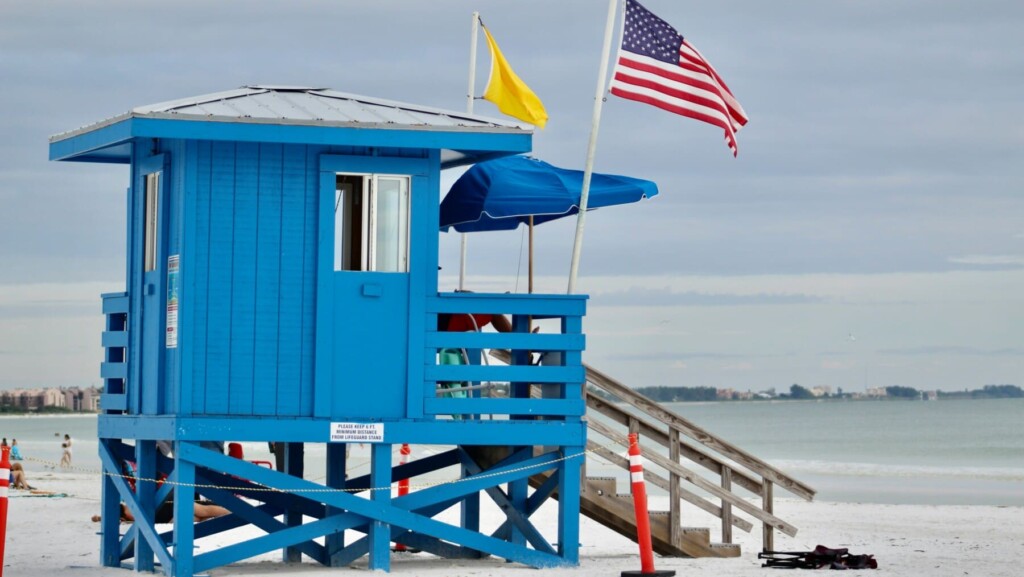
July Quick Look
STANDARD SEASONAir Temps
- Highs: around 90°F+ (peak heat)
- Lows: mid 70s (very warm nights)
Water Temps
- Avg Gulf: ~85°F (very warm)
- Ideal for long water time and floating
Wind & Clarity
- Clear-water days happen, but consistency is lower
- Storms and wind can make clarity more variable
Rain Pattern
- Frequent summer storm chances
- Storms are often afternoon and short-lived
Crowds & Vibe
- High summer energy and busiest feel
- The island feels active from morning to night
Booking Window
- Prime weeks book far ahead
- Many top homes reserve months in advance
Sunrise & Sunset Times
- Sunrise ~6:35–6:45 AM; sunset ~8:12–8:25 PM
- Late sunsets keep evenings lively
Hurricane Season
- Yes — hurricane season runs June–November
- Most days follow the normal summer pattern; tropical risk is the background variable
July on Siesta Key is the island in full summer form: hot days, warm nights, and Gulf water that feels almost effortless to get into. It’s one of the most “classic beach vacation” months — the kind of trip where swims happen multiple times a day, the beach feels lively from morning forward, and the whole island runs on a sun-and-water rhythm. If someone’s dream is maximum water time and a high-energy summer atmosphere, July delivers it in a very straightforward way.
The weather pattern in July is predictable in its own Florida way: heat builds early, humidity is a constant backdrop, and afternoon storm chances are part of the normal rhythm. Many days start bright, warm quickly, and then develop clouds later as the atmosphere heats up. Storms are often short-lived and localized, but they can be frequent enough that visitors notice the pattern. What makes July still vacation-friendly is that the storms tend to behave like a daily pause button rather than an all-day shutdown. After a storm passes, the air can feel refreshed, and evenings often rebound into beautiful, warm, usable time.
The Gulf is the centerpiece in July. Water temperatures climb into the mid-80s, which makes swimming feel less like an activity you build up to and more like the default state of the day. Floating, swimming, and quick “cool off” dips all feel easy — and because the water is so warm, people naturally spend more time in it. That’s one reason July feels so beach-heavy: the ocean doesn’t just look inviting, it actually feels inviting almost every day.
Water clarity in July can be gorgeous, but it’s less consistent than in winter and early spring. Heat, storms, and wind can make clarity more variable day-to-day, and the surface can pick up texture more quickly than it does in calmer seasons. That said, July still produces plenty of bright, clear-looking mornings, especially when winds stay light early. The best-looking Gulf conditions often show up earlier in the day before afternoon weather and wind have time to reshape the water. July is a “timing matters” month for anyone chasing the clearest-looking water.
Crowds and overall vibe in July are pure summer: families, friend groups, and travelers who want the full beach-town experience. The island feels busy in a steady way, and the beach is active for longer stretches of the day because the water is so comfortable. July also often includes major holiday travel (especially around the Fourth of July), which can bring a noticeable spike in activity. During major beach holidays, expect more people on the sand and a more crowded feel on the island — not necessarily stressful, but definitely “this is a popular destination” energy.
July’s days feel long and full because evenings stay warm and sunsets are still relatively late. After a beach day, it’s easy to shower, go out, and still have plenty of time for the Village without feeling rushed by darkness or cool air. That long-evening pattern is part of what makes July feel like a true summer getaway: you’re not trying to squeeze plans into a narrow comfort window — you’re just moving between heat management and fun.
Comfort in July comes down to heat strategy. Midday sun can feel intense, and the “feel” of the beach changes as the day heats up. Many visitors naturally prefer early beach time for the easiest comfort, then a midday break, then another beach window later. The Gulf makes this easier because water time becomes the built-in cooling system. If someone is sensitive to heat, July can feel heavy — but if someone loves warm weather and wants their vacation to revolve around swimming, July can feel like the best month of the year.
Booking behavior reflects the demand. Prime family weeks, bigger units, and the best-located properties are often booked well ahead. July is not typically a “wait and see” month for top inventory, especially if a traveler cares about walkability, a specific view, or a specific property type. If someone wants nonstop summer energy, very warm water, and the most swim-forward version of Siesta Key, July is one of the strongest options — with the clear expectation of heat, humidity, and routine afternoon storm chances.
August Quick Look
QUIET SEASONAir Temps
- Highs: around 90°F (hot and humid)
- Lows: mid 70s (warm nights)
Water Temps
- Avg Gulf: ~86°F (warmest-feeling water)
- Excellent for swim-first trips
Wind & Clarity
- Clarity often varies day to day
- Calm mornings can look clearest
Rain Pattern
- Frequent summer storms
- Storm timing is often afternoon/evening
Crowds & Vibe
- Still lively; pace can soften later in the month
- More laid-back summer feel than peak travel weeks
Booking Window
- More flexible than peak summer holidays
- Prime beachfront still books ahead
Sunrise & Sunset Times
- Sunrise ~6:45–7:00 AM; sunset ~7:50–8:10 PM
- Sunsets shift earlier fast through the month
Hurricane Season
- Yes — hurricane season runs June–November
- Higher awareness month for tropical activity
August on Siesta Key is the definition of a swim-first month. The Gulf is at its warmest-feeling point of the year, the air is tropical and humid, and beach days revolve around water time in a way that feels almost effortless. If someone wants a trip where “getting in the ocean” is the easiest decision you make all day, August is one of the best picks on the calendar.
Weather in August is firmly in the summer pattern: hot mornings, very warm afternoons, and frequent chances for pop-up storms later in the day. Many days start out bright and build heat quickly, with clouds developing as the afternoon progresses. Storms can be frequent, but they’re often short and localized — more like an interruption than a shutdown. After they pass, you can get that freshly cooled feeling and a surprisingly pleasant evening window, even though humidity remains part of the background.
The Gulf is the headline. Water temperatures often sit in the mid-80s, and that changes the entire feel of the beach. Instead of the ocean feeling like a “cool dip,” it can feel like an extension of the air temperature — warm, easy, and comfortable for long stretches. That’s why August is such a strong month for floating, casual swimming, and long, relaxed water time. It’s also a month where beach time can feel physically intense in direct midday sun, so the ocean becomes the natural place people spend the most time.
Water clarity in August tends to be more variable than in winter or early spring, mainly because storms and wind can change conditions quickly. You can absolutely catch beautiful, clear-looking Gulf days — especially on calm mornings — but the month is less consistent in “every day looks the same.” The best-looking water often shows up earlier in the day before afternoon winds and storm activity have had time to build. August is one of those months where you can have a spectacular beach morning and a more textured, shifting Gulf later — both in the same day.
August crowds and vibe are still summer-driven, but the “feel” can shift as the month goes on. Early August often carries strong family-travel energy, while later August can feel slightly less intense as some travelers wrap up summer schedules. The island still feels active, beaches still have steady attendance, and evenings still have that relaxed vacation pace — but the day-to-day atmosphere can feel a bit more laid-back than peak holiday weeks in July, depending on the exact dates.
Daylight in August is still generous, but sunsets begin moving earlier through the month. Even so, evenings remain warm, and it’s easy to build a full day that includes beach time, a midday break, and a second outdoor window later. The difference in August is comfort: humidity and heat can feel heavier, and the most comfortable “walking-around” hours tend to be earlier in the day or after the sun drops. That’s why August often becomes a simple, satisfying rhythm: beach + water time early, cool-down mid-day, then back out for sunset or dinner.
August also tends to be a month where the vacation experience is defined by what you love about summer: easy swimming, warm nights, and a casual, barefoot feel on the island. It’s excellent for travelers who want long water days and don’t mind heat. For travelers who prefer cooler evenings and all-day outdoor exploring without breaks, August can feel intense — but for the right traveler, it feels like the most “tropical” version of Siesta Key.
Booking behavior in August is usually more flexible than peak winter and some peak summer holiday weeks, but prime beachfront inventory and larger places still go first. Many travelers book August within a more traditional window compared to the 10–12 month behavior you see in winter peak. If someone’s priority is warm water, a true summer beach atmosphere, and a month built for swimming, August is one of the best months on the island — with the expectation of frequent storm chances and a heat-and-humidity backdrop.
September Quick Look
QUIET SEASONAir Temps
- Highs: upper 80s–around 90°F (very warm)
- Lows: low–mid 70s (humid nights)
Water Temps
- Avg Gulf: ~84°F (still very warm)
- Great swim comfort most days
Wind & Clarity
- Clarity often inconsistent due to storms
- Calm windows can still look bright and clear
Rain Pattern
- High storm/tropical-season backdrop
- Rain can be frequent but not always long-lasting
Crowds & Vibe
- One of the quietest-feeling months
- Slower pace and more beach space
Booking Window
- Shorter lead times and more availability
- Many travelers book this month closer in
Sunrise & Sunset Times
- Sunrise ~7:05–7:20 AM; sunset ~7:32–6:55 PM
- Evenings start earlier as the month goes on
Hurricane Season
- Yes — hurricane season runs June–November
- Peak-season awareness month for tropical systems
September on Siesta Key has a very specific feel: warm, swim-friendly water paired with a noticeably quieter island rhythm. The Gulf is still in true summer temperature territory, so stepping into the water feels easy and comfortable, and beach days can still be built around long swims, floating, and water time that doesn’t require any “braving it.” At the same time, the beach often feels less crowded than peak summer and winter peaks, so the overall atmosphere can lean more relaxed and spacious — more room to spread out on the sand, a calmer pace in the Village, and fewer “everyone is here at once” moments.
The weather pattern is still summer-like in September. Days are warm to hot, nights stay humid, and rain chances remain part of the month’s normal rhythm. You can absolutely get classic blue-sky beach days, but you’ll also see the common late-summer setup where clouds build and storms are possible later in the day. When rain shows up, it’s often timing-based rather than all-day — a burst that moves through and then resets the air. The bigger story in September is that you’re still in Florida’s tropical season window, so conditions can be more variable week-to-week compared to spring or mid-winter.
That seasonal backdrop affects the Gulf’s “look,” too. September water is usually warm and inviting, but clarity can be less consistent than it is in winter and early spring. Some mornings can look bright and clear, especially when winds are lighter, and those are the days where the shoreline looks extra clean and the Gulf feels especially appealing. Other days, storms and wind can create more texture on the surface and a more changeable water appearance. September is a month where the beach can look different from one day to the next, and where calmer morning windows often feel like the most “polished” stretch of the day.
Crowds and vibe are a major reason people love September. It’s often one of the quietest-feeling months on Siesta Key, and that changes the entire experience — not because everything shuts down, but because the island feels like it has more breathing room. Beach access is generally easier, the shoreline feels less packed, and the overall pace leans more “laid-back coastal town” than “peak vacation season.” There can still be busy pockets (especially around Labor Day weekend), but outside of those heavier travel windows, September often gives you the kind of space-and-calm people usually associate with shoulder season.
Daylight also shifts the “feel” of September. Sunsets move earlier through the month, and evenings begin to settle in sooner than they do in July and August. Even though the air stays warm, the day tends to feel more front-loaded: mornings and late afternoons are still excellent for beach time, and evenings can be great for casual dinners and sunset walks, but you’ll notice that the long, late-sunset summer stretch is easing. That earlier sunset rhythm can actually make days feel simpler and more relaxing — beach time, a break, then an easy evening without feeling like you need to cram everything into a single marathon day.
Because September sits in the heart of hurricane season, it’s also a month where trip “feel” can vary depending on what the tropics are doing that week. Many weeks are perfectly normal and deliver exactly what people want: warm water, fewer crowds, and a slower pace. Other weeks can include more unsettled weather or higher rain chances, and the island can shift into a more weather-aware rhythm. That’s not a guarantee of disruption — it’s simply the reality of the season. For travelers choosing September, the biggest upside is the combination of warm Gulf water and low crowds; the main trade-off is that weather variability is higher than it is in spring or mid-winter.
Booking patterns typically reflect that. September often has more flexibility and shorter lead times than high-demand winter and spring months, and travelers frequently book closer in compared to the far-advance behavior seen in peak season. If someone wants swim-ready water, a quieter beach experience, and a more relaxed Siesta Key pace, September can feel like a hidden favorite — as long as they’re comfortable with the tropical-season backdrop that can make weather feel less predictable than other times of year.
October Quick Look
STANDARD SEASONAir Temps
- Highs: low–mid 80s (warm, comfortable days)
- Lows: mid 60s–low 70s (better sleeping weather)
Water Temps
- Avg Gulf: ~80°F (very swim-friendly)
- Early October is often peak “warm water + nicer air”
Wind & Clarity
- Often improving clarity as summer storms ease
- Breezy days can still add chop and shift clarity
Rain Pattern
- Fewer daily storms than late summer
- Rain is more scattered (less clockwork afternoon buildup)
Crowds & Vibe
- Shoulder-season calm with occasional pop weeks
- Relaxed beach-town feel returns
Booking Window
- Moderate lead times with solid selection
- Prime beachfront still books ahead
Sunrise & Sunset Times
- Sunrise ~7:20–7:30 AM; sunset ~7:16–6:47 PM
- Sunset shifts earlier steadily through the month
Hurricane Season
- Yes — hurricane season runs June–November
- Risk generally tapers later in the month
October on Siesta Key often feels like the island taking a deep breath after late summer. Days are still warm, the Gulf is usually still swim-friendly (especially early in the month), and the overall humidity tends to ease compared to August and September. The result is a month that can feel more comfortable to move around in — beach time is still a big part of the trip, but you’re less likely to feel like you need a heat-management strategy every single day.
The weather pattern usually becomes steadier in October, though it still lives in Florida’s broader tropical season window. That means you can get weeks that feel beautifully stable — sunshine, warm afternoons, and pleasant evenings — and you can also get occasional unsettled stretches depending on broader weather patterns. Compared to September, October often feels like a step toward consistency, with fewer of the frequent daily storm setups that dominate mid-summer. Rain can still happen, but it’s more scattered, and the overall “feel” is less like a daily pop-up storm pattern and more like normal coastal weather variability.
Water temperature is a major October advantage. The Gulf typically stays in a comfortable range, with many visitors finding it very enjoyable for swimming, especially earlier in the month. It’s warm enough to support real swim days, floating, and long shoreline time without the bracing shock of winter months. Later in the month, you may start to feel a gradual cooling trend, but it’s still a month where water time is very realistic for a lot of travelers.
Water clarity can also improve in October as storm frequency eases, and many days deliver that bright, clean shoreline look visitors love. It’s not a guarantee every day, but the odds of consistent-looking water often improve compared to late summer. Calm mornings can be especially rewarding, with smoother surface conditions and clearer-looking water. Breezy days can still create more texture and variable clarity, but overall October tends to feel like the Gulf is “settling” into a more reliable look compared to the most storm-active months.
October crowds and vibe are one of the biggest reasons people choose it. It’s typically a shoulder-season month with a calmer, more relaxed rhythm than peak winter and peak summer. Beaches often feel easier to settle into, and the Village can have that pleasant “active but not packed” atmosphere — enough energy to feel fun, but not so much that everything feels maxed out. There can be busier pockets (especially around fall breaks and popular weekend travel windows), but overall October often feels like a more spacious version of Siesta Key.
Daylight shifts noticeably through October. Sunsets move earlier, and evenings start to feel more “cozy” compared to the long, late-sunset stretch of summer. The upside is that evenings often feel more comfortable for walking, dining, and being out without humidity clinging the way it can in August and September. Many visitors find that October hits a sweet spot: warm beach days paired with nights that are comfortable enough to enjoy patios, strolls, and Village time without feeling overheated.
October is also a month where the island experience can feel more well-rounded. Because heat is less oppressive, it’s easier to blend beach time with exploring, shopping, dining, and doing activities without needing the same midday cooldown routine. You can still do long beach days, but you can also comfortably build days around a mix of beach and “out-and-about” plans. That flexibility is a big part of what makes October feel so satisfying.
Booking behavior in October is usually more flexible than winter peak and major summer holiday weeks, but prime beachfront and the most walkable locations still book ahead. Many travelers plan October within a moderate lead time window, and availability is often better than it is in February, March, or peak summer weeks. If someone wants warm water, comfortable weather, a calmer island pace, and a vacation that feels beachy without feeling extreme, October is one of the strongest “balanced” months on the calendar — with the understanding that it still sits in the tail end of the broader tropical season window, so weather can occasionally vary.
November Quick Look
PRIME SEASONAir Temps
- Highs: mid 70s–low 80s (pleasant afternoons)
- Lows: low 60s (cooler evenings)
Water Temps
- Avg Gulf: ~75°F (cooling trend)
- Early month often feels more swim-friendly
Wind & Clarity
- Calm mornings can look very clear
- Fronts can bring breezier, cooler spells
Rain Pattern
- Generally lower rainfall
- Rain tends to come with passing fronts
Crowds & Vibe
- Seasonal visitors return (winter ramp-up)
- Steadier pace with some busier weeks
Booking Window
- Holiday weeks book far ahead
- Other weeks have moderate lead times
Sunrise & Sunset Times
- Sunrise ~6:45–7:00 AM; sunset ~5:46–5:34 PM
- Early sunsets create a cozy evening rhythm
Hurricane Season
- Yes — hurricane season runs June–November
- Season officially ends November 30
November on Siesta Key feels like the island easing into its winter-season rhythm: mild, comfortable afternoons, cooler evenings, and a noticeably more “walkable” kind of weather. It’s a month where the beach experience often shifts back toward shoreline time — long walks, sitting in the sun, and enjoying the outdoors without the heavy heat of summer. Days can still feel warm and bright, but the overall atmosphere is calmer, cleaner, and less humid, which is exactly what many visitors want when they picture a relaxed Florida escape.
Weather patterns in November often include passing fronts, and those fronts shape the feel of the month. One stretch can be sunny and mild with warm afternoons, and then a front slides through and the next morning feels crisp, breezier, and cooler — especially near the water. Unlike the bigger winter swings of January and February, November’s front-driven changes tend to feel more like “refreshing shifts” than dramatic temperature drops, but the change is noticeable. It’s a month where packing one light layer is smart simply because evenings can cool down quickly once the sun fades and breezes pick up.
The Gulf is still very enjoyable early in November, but it cools through the month. Water temps often start in the mid-70s and trend downward, which means early November can still feel swim-friendly for a lot of people, while later November can feel more “short swim” than “long float.” On warm afternoons, the beach can still feel very summer-like in the sun, but the combination of cooler air and a cooling Gulf can make water time feel more dependent on how warm the day is.
Water clarity can be excellent in November, especially during calmer, stable-weather windows. When winds stay light, the Gulf can look bright and clear, and the shoreline often has a clean, polished look that makes beach days feel scenic even if swimming isn’t the main focus. If a front brings wind, the surface can get more textured and clarity can become more variable — but overall, many November days deliver very attractive beach conditions, particularly earlier in the day when winds are lighter.
Crowds and vibe in November are part of the winter ramp-up. The island tends to feel more active than early fall, but it’s not the same “everyone is here” intensity as February or March. Many weeks feel comfortably lively: restaurants have a steady buzz, the Village feels active in the evenings, and the beach has consistent visitors without being wall-to-wall. The biggest crowd swing usually comes around holiday travel windows — especially Thanksgiving — when lodging demand and island activity can jump for a concentrated week.
Daylight is a defining feature of November’s “feel.” Sunsets are early, so days feel more front-loaded and evenings come on quickly. That changes the vacation rhythm: mornings and afternoons become the prime time for beach and outdoor activities, and evenings naturally shift toward dining, cozy walks, and relaxed downtime. For many travelers, that earlier sunset actually enhances the trip — it makes the day feel calmer and easier, and the cooler evening air pairs perfectly with Village dinners and sunset strolls.
November is also a strong month for travelers who want a more comfortable overall experience rather than a swim-first trip. The weather supports being outside without overheating, and it’s easier to mix beach time with exploring Sarasota, shopping, and dining without needing the midday cooldown routine of summer. The beach experience can feel “classic” in a different way — more about enjoying the shoreline and the atmosphere than living in the water all day.
Booking behavior in November depends heavily on dates. Holiday weeks can book far ahead, while non-holiday weeks often have more flexibility than peak winter months. Prime beachfront and walkable properties still tend to go first as seasonal demand builds. If someone wants mild days, cooler nights, a more relaxed island pace, and the feeling of Siesta Key entering its most comfortable season, November is a great choice — with the understanding that swimming comfort varies across the month as the Gulf cools and that early sunsets shape the daily rhythm.
December Quick Look
PRIME SEASONAir Temps
- Highs: upper 60s–mid 70s (mild days)
- Lows: 50s–low 60s (cool evenings)
Water Temps
- Avg Gulf: ~69°F (cool for many)
- Best for quick dips on warm afternoons
Wind & Clarity
- Clear-water days show up on calm stretches
- Fronts can bring breezy days and textured surf
Rain Pattern
- Generally low rainfall
- Short wet days usually tied to fronts
Crowds & Vibe
- Early month calmer; late month becomes peak travel mode
- Festive winter-season feel
Booking Window
- Holiday weeks book far ahead
- Early December often has more flexibility
Sunrise & Sunset Times
- Sunrise ~7:05–7:20 AM; sunset ~5:35–5:47 PM
- Short days and early sunsets shape plans
Hurricane Season
- No — outside hurricane season
- Main swings are fronts, not tropical systems
December on Siesta Key has two personalities, and both can be great depending on what someone wants. Early December often feels quietly ideal: mild, comfortable afternoons, lower humidity, and an easy island rhythm that makes the beach feel relaxed and spacious. Later in the month, the vibe shifts into peak holiday travel mode — more visitors, higher demand, and a more energetic “everyone’s on vacation” feel. Either way, December is one of the most comfortable months to be outside in Florida, and it’s a strong pick for travelers who care more about sunshine and outdoor living than nonstop swimming.
Weather in December is typically mild and pleasant, but it’s also a month where passing fronts matter. A front can slide through and make a day or two feel noticeably cooler and breezier, especially in the morning and after sunset. Many afternoons still feel warm in the sun, but evenings can cool quickly and breezes off the Gulf can make it feel crisp. That’s part of December’s charm: the air feels fresh, the heat is gone, and you can comfortably do long beach walks without the “sticky” feeling that summer brings.
The Gulf is cooler in December, which affects how the beach day feels. Water temps often hover around the upper 60s to near 70°F early, trending cooler as the month goes on. For most people, that’s chilly for extended swimming. December beach days are typically more about the shoreline experience: walking, sunbathing, shelling, kids playing in the sand, and soaking up the scenery. On warmer afternoons, a quick dip can be doable, but it’s not usually the month people choose specifically for long ocean swims.
Water clarity in December can be very attractive, especially during calm, stable-weather stretches. When winds are light, the Gulf can look bright and clean, and the beach has that “polished” winter-season look that photographs beautifully. When fronts bring wind, the surface can get more textured and clarity can vary, so the prettiest water often aligns with calmer windows — especially earlier in the day. Even when swimming isn’t the main event, December often looks and feels like a classic beach destination because the weather supports being outside comfortably.
Crowds and vibe in December are all about timing. Early December can feel calm and easy — the kind of trip where you can walk into restaurants more comfortably, enjoy the beach without it feeling packed, and soak up the island atmosphere at a slower pace. As the month moves toward the holidays, demand ramps up fast. Late December is a peak travel period, and the island can feel significantly more active, with lodging, dining, and beach activity reflecting that holiday energy. It’s not negative — it’s simply the difference between “quiet winter escape” and “holiday vacation season.”
Daylight shapes December’s rhythm more than many visitors expect. Sunsets are early, so the day feels front-loaded: mornings can be cool and refreshing, afternoons are the warmest and best window for beach lounging, and evenings arrive quickly. That earlier sunset rhythm often creates a cozy, relaxed flow — beach time by day, then dinner and downtime at night — and it’s one of the reasons December trips can feel so restorative. It’s easy to settle into a comfortable routine without feeling like you need to pack a million activities into every day.
December is also a month that shines for travelers who want the full “Siesta Key lifestyle” beyond swimming: long shoreline walks, patio dining, exploring the Village, and enjoying the beach as scenery and atmosphere rather than purely as a water playground. The cooler air makes it easier to stay active outside, and many people love how pleasant it feels to be outdoors for extended stretches.
Booking behavior is the practical wildcard. Early December often has more flexibility than late month, while holiday weeks typically book far ahead — especially for the most walkable, best-located beachfront properties. If someone’s ideal trip is mild, sunny days, comfortable outdoor living, and a relaxed beach-town vibe — with swimming as optional rather than required — December is an excellent pick. The main decision is simply whether they want the quieter early-month feel or the higher-energy, high-demand holiday period later in the month.
How to Choose the Best Month for Your Siesta Key Trip
If you’re deciding between two months, start with one question: do you care more about swim-friendly water, comfortable all-day weather, or a quieter beach vibe? For the easiest “outside all day” weather, late winter through spring is usually the safest bet. If warm Gulf water is the priority, target summer and early fall—and plan around the typical afternoon shower pattern.
Next, match the month to your crowd comfort. January–March brings the highest demand and the most consistent winter-season energy, while September–October often feels more spacious with warm water still in play. If you want a balanced middle ground, May and October are often the sweet-spot months where the beach feels great without the most extreme heat or peak-season intensity.
The best trips happen when your expectations match the season. Winter is perfect for beach walks, sunsets, and patio dinners—but the Gulf can feel cold. Summer is unbeatable for swimming, but it’s hotter and storm chances are higher. Pick the month that fits your vibe, and Siesta Key tends to deliver.
Once you’ve picked your timing, the next decisions fall into place: where to stay (matched by walkability, beach access, and evening vibe), where to eat (from casual beach-day spots to date-night dinners), and what to do beyond the beach (water adventures, Village nights, and day trips for every travel style). If it’s your first visit, our First-Timer’s Guide pulls it all together into a complete planning framework.
Related Siesta Key Planning Guides
Keep planning with our most-used local guides for parking, packing, weather patterns, and what to expect on the beach.
Siesta Key Beach Parking Guide
When to arrive by season, what to do if the main lot is full, and the fastest “Plan B” that saves your beach day.
What to Pack for Siesta Key (By Season)
A season-matched checklist that covers Florida heat, humidity, surprise showers, and dinner-in-the-Village basics.
Clear Water on Siesta Key (When It’s Clearest)
How wind, season, and “calm-morning windows” affect those glassy, sandy-bottom days everyone wants.
Best months, best beaches, local technique tips, plus nearby bonus spots (including shark teeth within an hour).
Sea Turtle Nesting Season on Siesta Key
When nesting happens, what visitors should know, and how to be a great guest on the beach at night.
Siesta Key Hurricane Season Planning
What hurricane season really means for travelers — plus simple, calm planning tips that keep booking confidence high.
Siesta Key Spring Break Crowds (Patterns + Local Tips)
How the busy weeks actually behave, what “crowded” feels like on Siesta Key, and how to plan smarter.
Find your Siesta Key vacation rental
Browse our handpicked homes and condos — walkable locations, 5-star stays, and local support that makes your trip feel effortless.
-
Best trips start with the right location — filter by beach access, Village proximity, and more.
-
Comfort-forward amenities — pools, kitchens, parking, and the “little things” families love.
-
Local team — real people, real help, and insider tips once you arrive.