
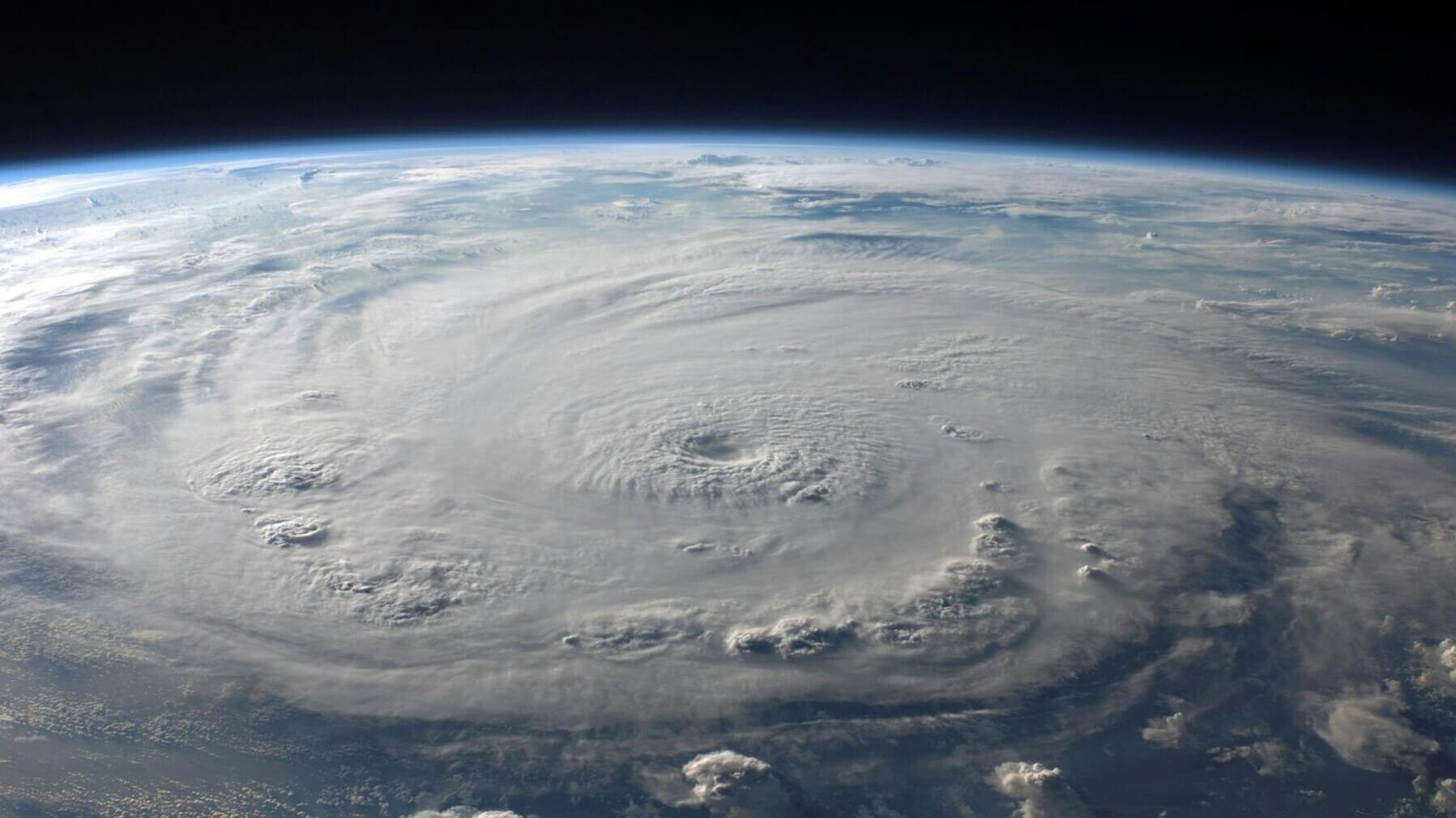
There’s a moment we see every late-summer on Siesta Key: a bright, glassy Gulf morning, a few towering clouds way out on the horizon, and visitors realizing they’re having a perfect beach day — even though it’s “hurricane season.”
If you’re planning a Siesta Key vacation and the words hurricane season are making you hesitate, you’re not alone. Here’s the calm truth: hurricane season is a date range, not a constant event. Most trips still feel like a normal beach vacation — the difference is simply that certain weeks deserve a little more flexibility and a smarter “just in case” setup.
This guide breaks down what hurricane season really means for travelers, the real pros and cons of booking, and the easiest ways to reduce anxiety without overthinking your trip.
For month-by-month timing (weather vibe, crowds, and seasonal patterns), see our guide: Best Time to Visit Siesta Key: https://siestastays.com/best-time-to-visit-siesta-key/
How to use this guide: If you’re considering a summer or fall trip, read the quick answer first, then use the “If a storm is forecast” checklist to plan calmly. Travel insurance is highly recommended during hurricane season for peace of mind.
Quick answer: Should you avoid Siesta Key during hurricane season?
No — most trips still feel like a normal beach vacation. Hurricane season is a date range, not a constant event. The real difference is booking with flexibility and having a calm plan if a forecast shifts.
Quick facts (so you can plan calmly)
Official season
June 1–November 30
Peak months
Usually August–September (October can still be active some years)
Most common disruption
Brief afternoon storms — not hurricanes
Best way to book confidently
Flexibility + travel insurance (recommended) + a simple storm checklist
What “Siesta Key hurricane season” really means (in plain English)
Think of hurricane season less like a constant threat and more like a calendar window: conditions are more favorable for tropical weather systems to form somewhere in the region.
That doesn’t mean storms are happening all the time — and it definitely doesn’t mean your trip is “doomed.” Most visitors who travel in summer and fall experience normal beach weather with the occasional rainy stretch.
The real planning difference is this: during hurricane season, you want to book in a way that keeps you calm if a forecast shifts. In other words: plan for flexibility, not fear.
- Hurricane season does not mean you’ll be watching storms every day.
- It does mean you should have a simple plan if a named storm shows up on the map near your travel week.
- It also means travel insurance is a smarter default than “hoping nothing happens.”
Locals don’t “panic-track” storms every summer day. Most of us only pay close attention when a system is forecast to move into the Gulf or toward Florida — and even then, the details usually become clearer closer to the date.
Pros and cons of booking during hurricane season
A balanced view for travelers deciding whether it’s “worth it.”
- Better value on many dates compared to peak winter season.
- More availability — easier to find the right condo, not just “what’s left.”
- Warmer water and a true summer beach vibe.
- Fewer crowds (especially early fall) and a more relaxed pace.
- Heat + humidity in mid/late summer.
- Pop-up rain is common — usually brief, but it can shift plans.
- A small chance of a major storm affecting travel plans.
- Last-minute changes are easier if you booked with flexibility (and ideally insurance).
A plain-English hurricane season timeline for Siesta Key
Here’s the most useful way to think about the season as a traveler — without hype.
Early season (June–July): “Mostly normal summer”
What it feels like
Hot, bright, beachy — with the classic pattern of afternoon thunderstorms that often pass quickly.
How to plan
Schedule outdoor “must-dos” earlier in the day, keep indoor options in your pocket, and plan one flexible day.
Booking mindset
Great time for value + warm water. Risk exists, but most trips feel normal.
Peak season (August–September): “Highest upside + highest planning value”
What it feels like
Warm Gulf water, steamy afternoons, and the period where tropical activity is statistically most active.
How to plan
Travel insurance is highly recommended. Choose flights and plans that can flex if needed.
Booking mindset
This is when “smart planning” pays off most — not because storms are constant, but because flexibility reduces stress.
Late season (October–November): “Quieter, often beautiful — still watchful”
What it feels like
Often less humid with plenty of gorgeous days — and fewer crowds than winter peak.
How to plan
Keep the same “flex mindset,” especially in early October. By late November, the season is wrapping up.
Booking mindset
A favorite for travelers who want a calmer vibe and are comfortable with a small weather wildcard.
How to plan smart (and stay calm) if you’re booking during hurricane season
The goal isn’t to “outsmart the weather.” It’s to book your trip so a forecast change doesn’t instantly create stress, lost money, or a scramble.
These are the same practical moves locals and frequent Florida travelers use — because they work.
- Book your “must-do” experiences early in the trip. If weather shifts later, you’ve already hit the highlights.
- Plan mornings for outdoor time. Summer rain often shows up later in the day.
- Build one flexible day. Think: beach one day, then keep a backup day for “best weather” later.
- Don’t stack your schedule too tightly. Hurricane season planning is easier when you’re not depending on one perfect hour.
- Keep a short list of indoor options. (Shopping, museums, aquariums, movie night, etc.)
- Choose flexibility where it matters most: flights and big-ticket plans.
Travel insurance during hurricane season (highly recommended)
If you only do one “hurricane season planning” thing, make it this: strongly consider travel insurance that fits your situation.
We’re not insurance agents and coverage varies by provider and policy — but the concept is simple: insurance can reduce the financial and emotional stress if a storm affects flights, access, or your ability to travel.
Best-practice mindset: treat travel insurance as a normal “coastal travel” expense during hurricane season — similar to how people plan for winter weather when traveling north.
- Buy early (many policies have timing rules).
- Read what’s covered (trip interruption vs. cancellation vs. travel delays).
- Match it to your risk tolerance — especially if your dates fall in August–September.
If a storm is forecast near your travel week: a calm decision checklist
-
7–10 days out
Don’t panic-scroll. Just note the system and check updates once daily. Early tracks change a lot.
-
5–3 days out
Start watching for clearer signals: forecast confidence increases. Review flight change options and your insurance details (if you have it).
-
72–48 hours out
This is when decisions get easier. Confirm whether the system is projected to meaningfully impact your travel days (arrival/departure), not just “exist on the map.”
-
48–24 hours out
If the forecast is trending toward real disruption, prioritize travel logistics first (flights, driving plans). Avoid making major calls based on one update — look for the trend.
-
Day before
If you’re still traveling, keep it simple: travel earlier in the day where possible, and plan a low-stakes first evening (groceries + relax) in case weather shifts.
-
After the system passes
Many Florida weather disruptions are short-lived. Once conditions normalize, vacations often snap back quickly — especially for travelers who built in flexibility.
Where to check storm info (trusted sources only)
For accurate hurricane updates, keep your sources simple and official:
- National Hurricane Center (NOAA) — the primary source for storm tracks and advisories.
- National Weather Service (NWS) — forecasts and alerts.
- Sarasota County — local updates if weather impacts the area.
FAQ: Siesta Key hurricane season planning
When is hurricane season in Siesta Key?
Siesta Key follows the Atlantic hurricane season timeline: June 1 through November 30. That’s the window where tropical systems are possible — not a guarantee that storms will happen during your dates.
What months are “worst” for hurricanes near Siesta Key?
In general, August and September are the most active months, with October still worth watching some years. Many travelers still visit in these months — the difference is planning for flexibility (and ideally having travel insurance).
Does hurricane season mean it rains every day?
No. Summer weather often includes brief afternoon storms, but you’ll still get plenty of sunny beach time. Most “rainy season” disruption is short-lived and doesn’t look like a hurricane.
Should I cancel my trip if I see a storm on the forecast?
Not automatically. Early forecasts can change significantly. A calmer approach is to watch the trend and focus on whether your travel days (arrival/departure) are likely to be impacted. That’s also why travel insurance is so valuable during hurricane season.
Is Siesta Key safe to visit during hurricane season?
Most trips are perfectly normal — but it’s a coastal destination, so the smartest move is to book with a plan. Flexibility + trusted updates + travel insurance (highly recommended) is the best “peace of mind” combo.
What’s the simplest way to reduce anxiety about booking during hurricane season?
Travel insurance, plus a flexible plan. Put your “must-dos” early in the trip, plan outdoor time for mornings, and keep one day more open. You’ll feel in control even if weather changes.
Related Siesta Key planning guides
If you’re planning dates, these guides pair perfectly with hurricane season planning.
Best Time to Visit Siesta Key, FL
Month-by-month weather + crowds so you can choose the right timing confidently.
What to Pack for Siesta Key (By Season)
Simple packing decisions for summer heat, rainy afternoons, and shoulder-season trips.
Siesta Key Beach Parking Guide
Arrival windows by season/weekends/holidays and what to do if the main lot is full.
Clear Water on Siesta Key (Water Clarity Guide)
How wind + surf affect clarity, plus planning tips without daily-forecast promises.
Best times, best beaches, and local tactics (plus nearby bonus spots).
Sea Turtle Nesting Season on Siesta Key
Simple do/don’t guidance for a wildlife-friendly beach trip.
Siesta Key Spring Break Crowds
Crowd patterns (no calendar dates) and daily timing tricks that make busy weeks easier.
Find your Siesta Key vacation rental
Browse our handpicked homes and condos — walkable locations, 5-star stays, and local support that makes your trip feel effortless.
-
✓
Best trips start with the right location — filter by beach access, Village proximity, and more.
-
✓
Comfort-forward amenities — pools, kitchens, parking, and the “little things” families love.
-
✓
Local team — real people, real help, and insider tips once you arrive.